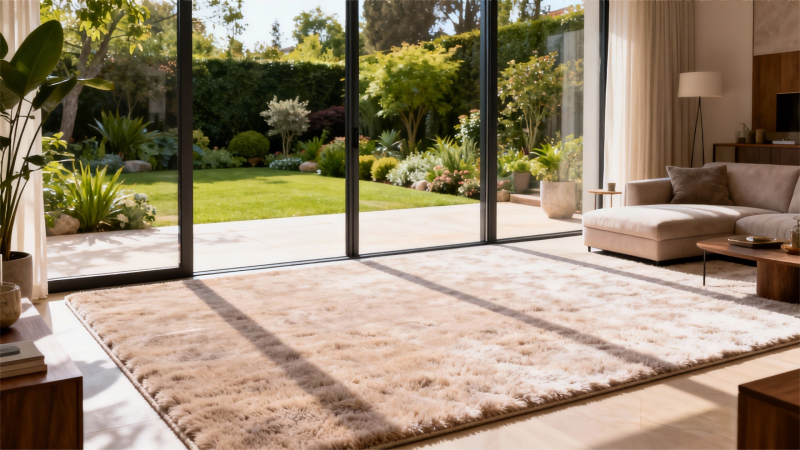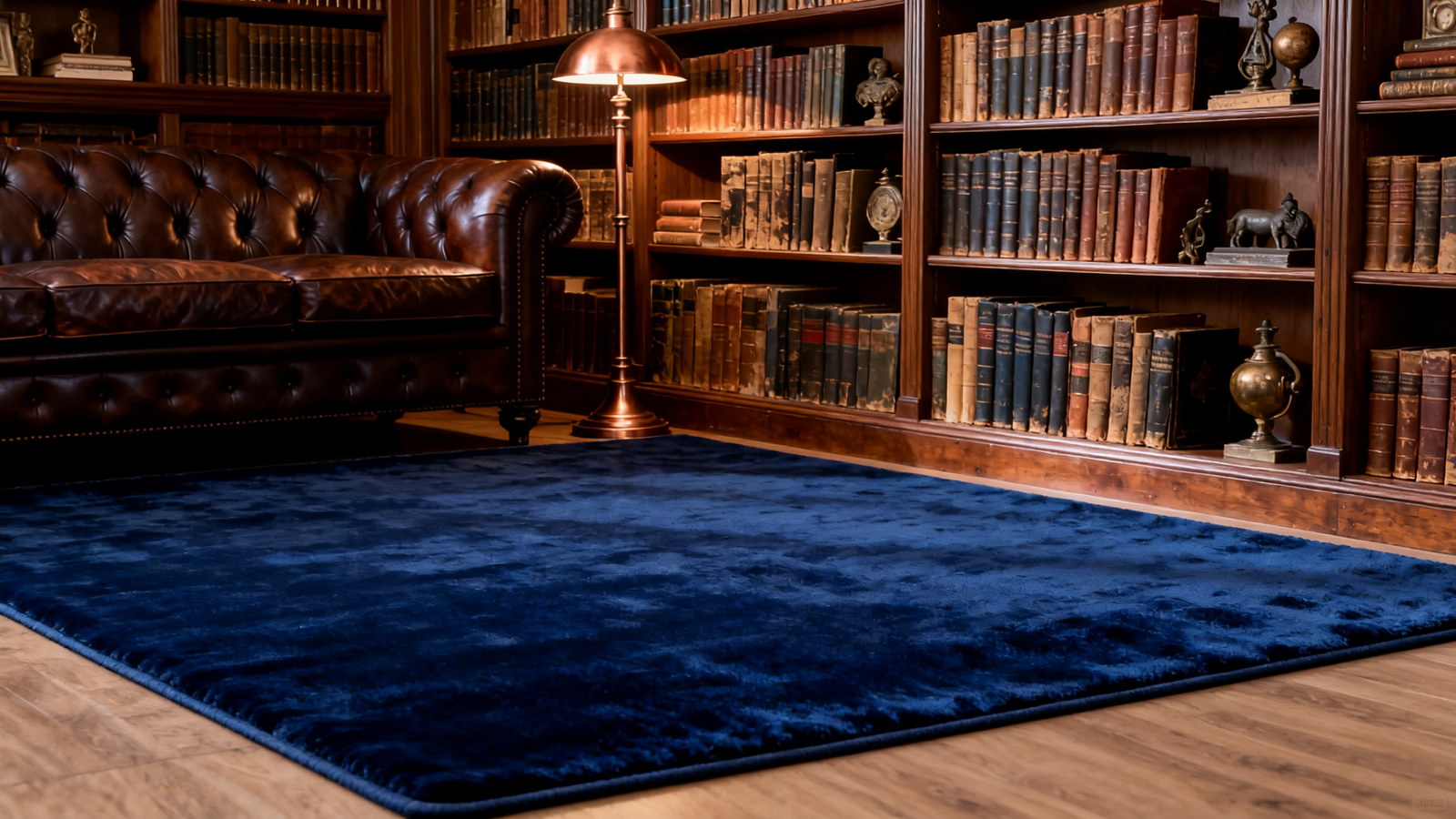

PV Velvet Carpet Price Guide for Bulk Buyers and Importers
Introduction
Pricing is one of the most critical factors for bulk carpet buyers. Importers and large distributors can better prevent unnecessary risks and protect long-term profit margins by understanding how PV velvet carpet prices are structured. Unlike small retail orders, bulk purchasing follows completely different cost logic, especially when orders are based on mixed or full container quantities.
This price guide shows how professional buyers evaluate pricing and how real costs are formed.
Key Factors That Influence PV Velvet Carpet Prices
The final price of a PV velvet carpet is not simply about appearance. It is built from multiple production elements, including:
-
Yarn grade and fiber density
-
Carpet thickness and weight per square meter
-
Backing materials and anti-slip layers
-
Dyeing consistency and color depth
-
Edge finishing and cutting precision
Higher material density increases durability and service life, which directly impacts overall product value.
Why Full Container and Mixed-Container Orders Lower Unit Costs
Most serious carpet manufacturers structure their pricing around container-level shipments, not small pallet orders.
When buyers commit to mixed or full container loads, production becomes more efficient because:
-
Machines run longer without stops
-
Raw material waste is reduced
-
Labor cost per unit drops significantly
This is why real wholesale pricing is normally available only when orders reach at least mixed-container quantities.

How Experienced Buyers Evaluate Supplier Quotes
Professional buyers rarely compare prices alone. They break down supplier offers by analyzing:
-
Price per square meter under full container basis
-
Consistency of product specifications across batches
-
Packaging methods and loading efficiency
-
Port charges and export documentation handling
This approach prevents “low price traps” that often lead to quality disputes later.
Typical MOQ Structure for Professional Buyers
For PV velvet carpet production, real factory-level MOQ generally starts at:
-
Minimum order: mixed 20ft or 40ft container
-
Importers can combine multiple designs in one container.
-
Suppliers offer stable unit pricing only at container-level quantities.
Buyers operating below this scale often face higher per-unit risks and unstable price terms.
Cost Control Strategies Used by Bulk Importers
Professional importers focus on total landed cost, not just factory price. Common practices include:
-
Selecting standard sizes to avoid cutting waste
-
Limiting color variations to improve dyeing efficiency
-
Using compressed packaging to improve container loading
-
Balancing product mix to maximize container space
These strategies help achieve competitive pricing in destination markets.
Long-Term Pricing Stability for Distributors
Stable partnerships with manufacturers bring more than just better prices. Long-term buyers benefit from:
-
Priority production scheduling
-
More stable material sourcing
-
Greater flexibility in product development
This pricing stability supports healthier, long-term market growth.

Conclusion
Manufacturers build PV velvet carpet pricing around production efficiency, material quality, and container-level logistics.Buyers who understand these structures make better sourcing decisions and build stronger supply chains.
To explore available PV velvet carpet collections and evaluate suitable models for your container-level sourcing plans, buyers can view the latest product range at the end of this guide:https://cosyferatextile.com/products/carpet/pv-fur-carpet/
about
Cosyfera Textile
Stay updated with Cosyfera’s latest news — from new carpet and blanket collections to global trade fair highlights and industry trends.