
Best Rugs for Living Rooms: A Complete Buyer’s Guide
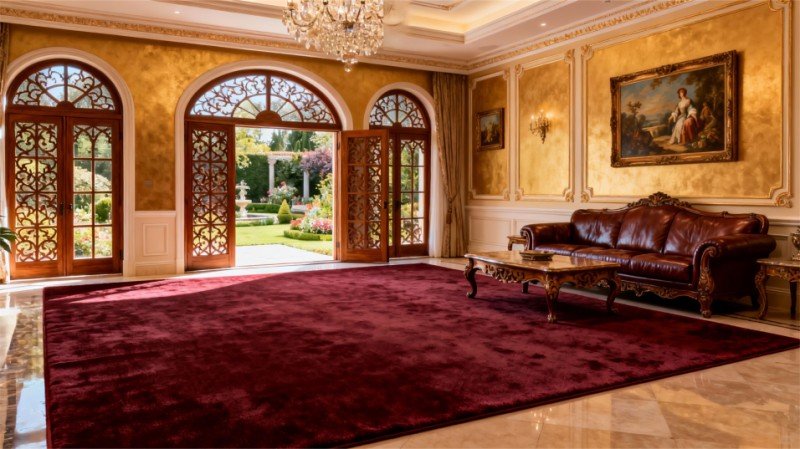
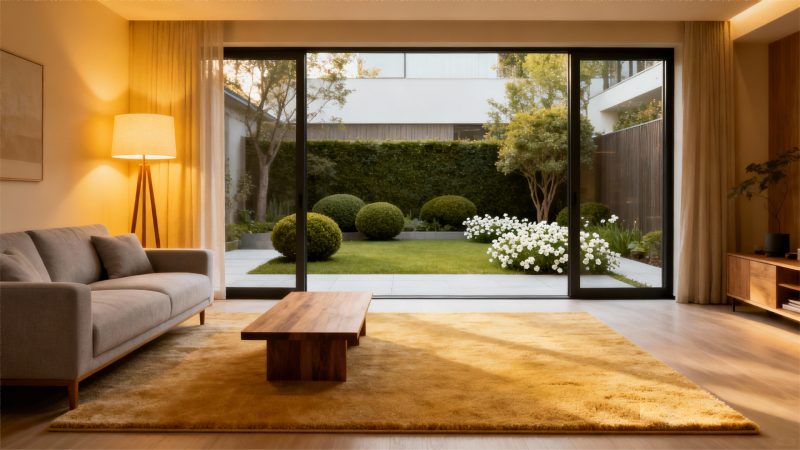
Living rooms serve as the central space in most homes, where people relax, entertain guests, and spend daily time with family. A well-chosen rug can improve comfort, define the layout, and enhance the overall interior design.
For buyers and distributors, selecting the right products for this category requires a clear understanding of both design trends and practical performance.
Understand How Rugs Function in Living Rooms
A rug in a living room does more than cover the floor. It helps define seating areas, adds visual balance, and improves comfort.
You should consider how customers use this space:
-
Daily relaxation and family activities
-
Social gatherings
-
Multi-purpose use in apartments
These usage patterns require products that combine durability with visual appeal.
Choose Materials That Match Daily Use
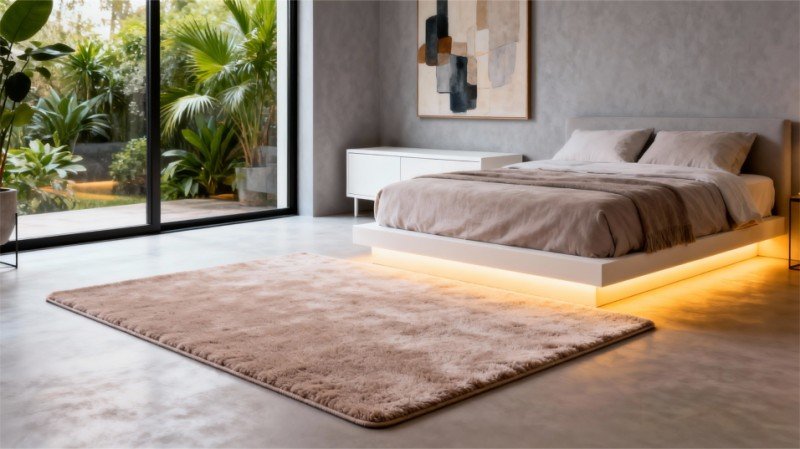
Material selection plays a key role in performance.
Synthetic textile options work well in living rooms because they offer:
-
Good resistance to wear
-
Easy cleaning and maintenance
-
Stable color performance
-
Consistent production quality
Soft surfaces improve comfort, while structured constructions help maintain shape under frequent use.
Balancing comfort and durability is essential for this category.
Select the Right Size for Layout
Size affects both function and appearance.
Common layout approaches include:
-
Large rugs that anchor the entire seating area
-
Medium sizes placed under coffee tables
-
Smaller options for compact spaces
A properly sized rug helps organize furniture and creates a more cohesive interior.
Buyers should focus on offering standard sizes that match common furniture arrangements.
Focus on Colors That Sell Well
Color selection strongly influences buying decisions.
Neutral tones often perform best because they match a wide range of interiors:
-
Gray
-
Beige
-
Cream
-
Soft brown
These colors create a calm and modern look while hiding minor wear and stains.
Darker shades can also perform well in high-traffic environments because they maintain appearance over time.
Choose Designs That Fit Modern Trends
Design trends continue to evolve, but some styles remain consistently popular.
Strong-performing options include:
-
Minimalist patterns
-
Geometric designs
-
Subtle textures
-
Solid color styles
Buyers should avoid overly complex designs unless targeting niche markets. Simple and versatile styles usually achieve higher sales volumes.
Consider Durability for Everyday Use
Living rooms often experience regular foot traffic, so durability matters.
You should prioritize products that:
-
Maintain surface structure over time
-
Resist flattening
-
Handle furniture pressure
-
Keep a consistent appearance
Construction quality, including fiber density and backing, plays a major role in long-term performance.
Balance Price and Market Positioning
Different markets require different pricing strategies.
A balanced product range should include:
-
Affordable options for mass markets
-
Mid-range products for everyday use
-
Higher-end designs for premium customers
This structure allows distributors to serve multiple customer segments while managing inventory effectively.
Think About Maintenance Requirements
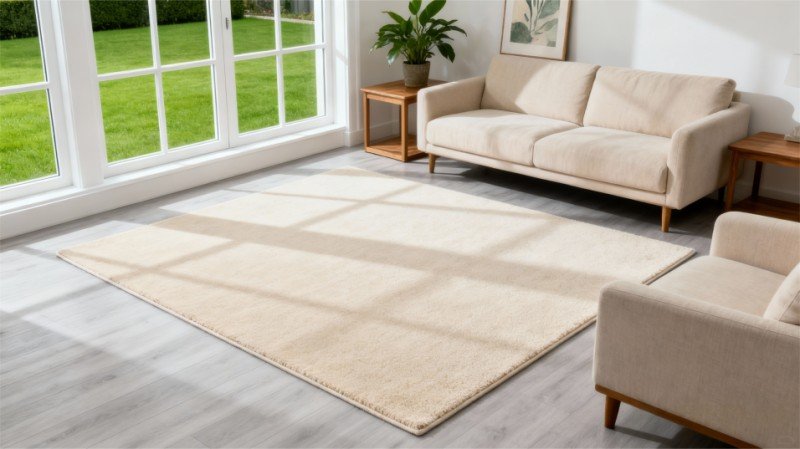
Easy maintenance increases customer satisfaction.
Living room products should :
-
Support regular vacuuming
-
Handle occasional spills
-
Maintain color after cleaning
Low-maintenance options tend to perform better in both residential and rental markets.
Conclusion
Choosing the best rugs for living rooms requires a balance of design, material, durability, and practicality. Buyers who focus on real usage scenarios and market preferences can build product lines that meet customer expectations and drive consistent sales.
A well-selected range of living room rugs not only improves interior spaces but also strengthens product competitiveness in global markets.
To explore rug options suitable for modern living room applications, you can visit our product page.
about
Cosyfera Textile
Stay updated with Cosyfera’s latest news — from new carpet and blanket collections to global trade fair highlights and industry trends.