High-Density vs Low-Density Rugs: What Buyers Should Know
Density is one of the most important factors that influences the performance and quality of a rug. While many buyers focus on surface appearance or price, density directly affects how a product feels, performs, and lasts over time.
For importers, distributors, and project buyers, understanding the difference between high-density and low-density constructions helps in making better purchasing decisions and avoiding quality inconsistencies.
What Does Carpet Density Mean?
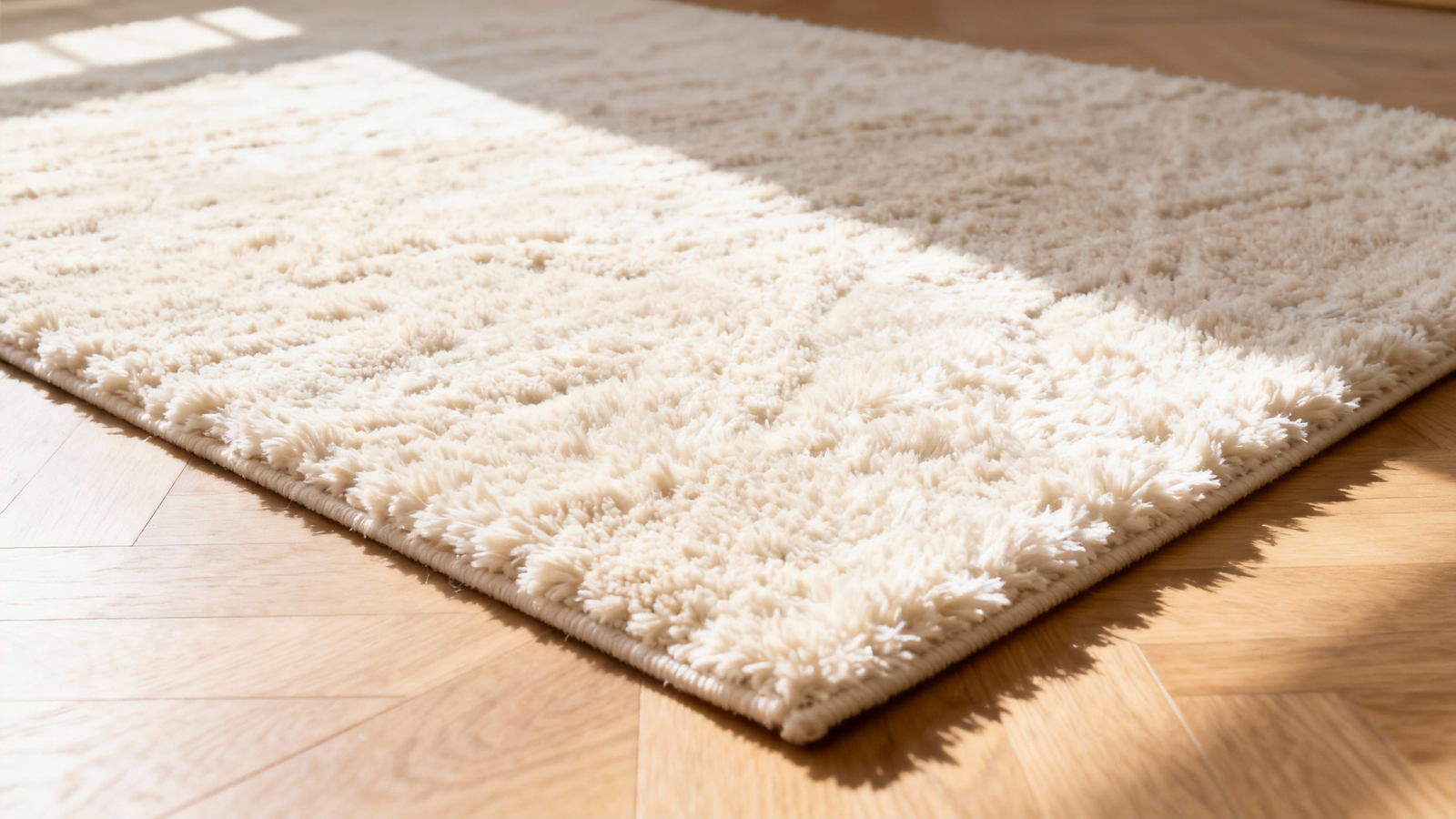
Density refers to how closely the fibers are packed within the rug surface. It is determined by the amount of yarn used and how tightly it is arranged during production.
A higher density means more fibers per unit area, creating a tighter and more compact structure. Lower density indicates fewer fibers, resulting in a more open and less supportive surface.
Density is different from thickness. A rug can appear thick but still have low density if the fibers are loosely arranged.
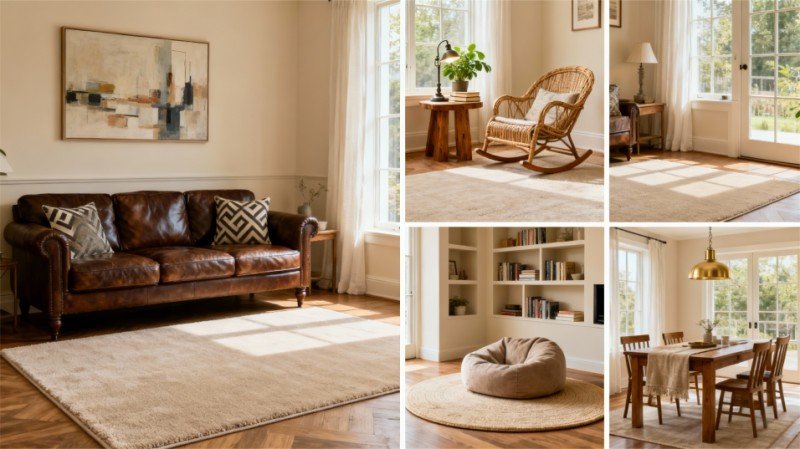
Characteristics of High-Density Rugs
High-density constructions are often associated with better performance and longer service life.
Key features include:
Strong Structure
Closely packed fibers create a firm and stable surface. This helps the rug maintain its shape even under frequent use.
Better Wear Resistance
A dense surface distributes pressure more evenly, reducing visible wear patterns over time. This makes it suitable for areas with regular foot traffic.
Improved Appearance Retention
High-density products are less likely to show flattening or fiber separation. They maintain a more consistent and refined look.
Higher Perceived Quality
Buyers often associate dense construction with premium quality because of its solid feel and durability.
Characteristics of Low-Density Rugs
Low-density rugs offer different advantages, depending on the intended application.
Softer Initial Feel
Because the fibers are more loosely arranged, these rugs can feel softer when first used. However, this softness may decrease over time.
Lightweight Construction
Lower density typically results in a lighter product, which can be easier to transport and reposition.
Cost Efficiency
Using less material reduces production costs, making these options more suitable for budget-sensitive projects.
Performance Differences in Daily Use
The structural differences between dense and less dense constructions become more noticeable during everyday use.
High-density rugs generally:
-
Maintain their shape longer
-
Resist compression from furniture
-
Perform better in active areas
Lower-density products may:
-
Flatten more quickly
-
Show wear patterns sooner
-
Require more frequent replacement in high-use environments
For low-traffic areas such as bedrooms, lower-density options may still perform adequately.
How Buyers Can Evaluate Density
Professional buyers often assess density through both visual and physical inspection.
Common methods include:
-
Checking how easily the backing is visible when fibers are pressed
-
Feeling the firmness and resilience of the surface
-
Comparing weight relative to size
-
Reviewing product specifications from suppliers
Consistent density across production batches is also an important quality indicator for wholesale orders.
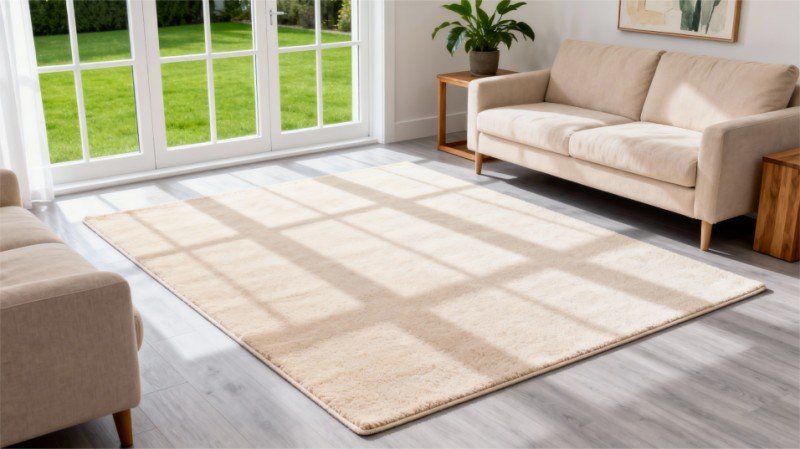
Choosing the Right Option for Different Applications
Different environments require different performance levels.
-
High-traffic areas benefit from more compact structures
-
Residential spaces may balance comfort and cost
-
Decorative or temporary use may not require high density
Selecting the right construction helps optimize both cost and performance.
Conclusion
Density plays a critical role in determining how a rug performs over time. More compact constructions offer better durability, stability, and long-term appearance, while lighter structures provide flexibility and cost advantages.
By understanding how density affects performance, buyers can choose products that match the specific needs of their market and application scenarios.
about
Cosyfera Textile
Stay updated with Cosyfera’s latest news — from new carpet and blanket collections to global trade fair highlights and industry trends.