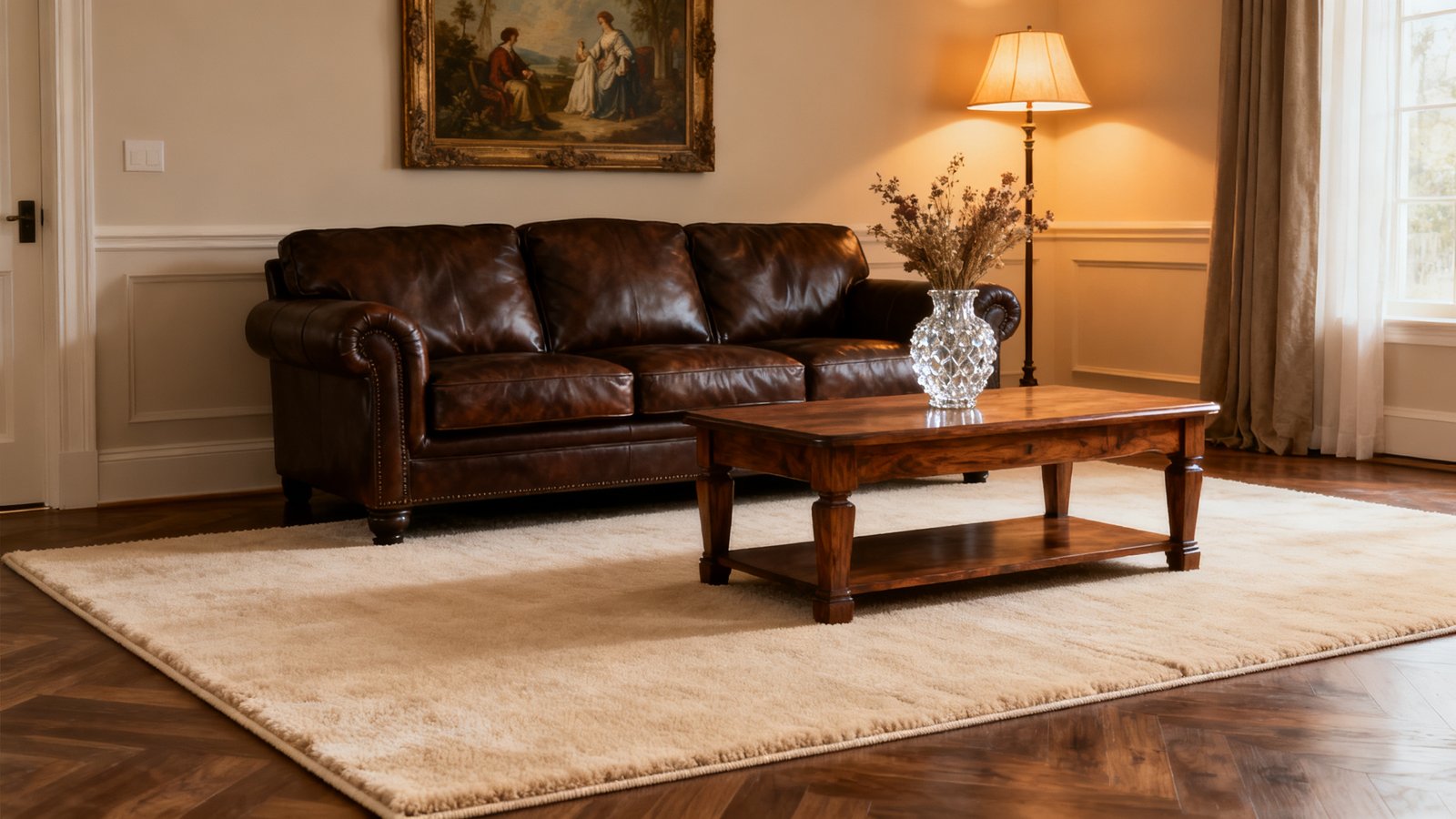

How to Choose the Right Rug for Your Market
Choosing the right rug is not only about design or price. Buyers need to match product features with market demand, customer preferences, and usage scenarios. A well-selected product range can improve sales performance and reduce inventory risks.
For distributors and importers, a structured selection strategy helps build a competitive and sustainable product portfolio.
Understand Your Target Market
Every market shows different preferences in terms of style, color, and material.
You should first identify:
-
Customer income level
-
Popular interior styles
-
Climate conditions
-
Typical usage environments
For example, customers in colder regions often prefer thicker and softer floor coverings, while warmer regions may favor lighter and more breathable options.
When you understand your market clearly, you can make better product decisions.

Choose the Right Materials
Material selection directly affects comfort, durability, and maintenance.
Synthetic fiber products offer several advantages:
-
Stable quality across batches
-
Flexible design options
-
Easy maintenance
-
Scalable production
Different materials also serve different purposes. Soft plush surfaces work well in bedrooms, while more compact structures perform better in high-traffic areas.
You should always match material choice with real usage needs.
Balance Design and Practicality
Attractive designs can draw attention, but practical performance drives long-term sales.
You should consider:
-
Color durability
-
Ease of cleaning
-
Resistance to wear
-
Compatibility with modern interiors
Neutral tones and simple patterns often perform better across multiple markets because they fit a wider range of interior styles.
Instead of following trends blindly, focus on designs that combine visual appeal with everyday usability.
Select the Right Sizes
Size selection plays a key role in customer satisfaction.
You should include:
-
Standard living room sizes
-
Bedroom-friendly dimensions
-
Smaller accent options
Offering a clear size range helps customers choose products easily and improves the overall buying experience.
For project buyers, consistent sizing is especially important for large-scale applications.
Evaluate Product Construction
Construction quality determines how a rug performs over time.
You should pay attention to:
-
Fiber density
-
Surface structure
-
Backing stability
-
Overall finishing quality
A well-constructed product maintains its shape and appearance even after extended use. This reduces complaints and improves repeat business.
Consider Logistics and Supply Stability
Reliable supply plays a critical role in wholesale business.
You should work with suppliers who can:
-
Maintain consistent production quality
-
Deliver on time
-
Support large-volume orders
-
Provide flexible design options
Stable supply chains help you avoid delays and maintain customer trust.
Test Before Large Orders
Before placing large orders, you should always evaluate samples.
Check:
-
Actual color under different lighting
-
Surface feel and comfort
-
Backing performance
-
Overall product consistency
Testing helps you identify potential issues early and avoid costly mistakes.

Build a Balanced Product Range
A strong product portfolio should include different categories:
-
Entry-level options for price-sensitive customers
-
Mid-range products for everyday use
-
Higher-end designs for premium markets
This strategy allows you to serve a wider customer base while maintaining flexibility in pricing and positioning.
Conclusion
Selecting the right rug requires a combination of market understanding, material knowledge, and practical evaluation. Buyers who focus on real usage needs, consistent quality, and reliable supply can build stronger product lines and achieve better long-term results.
A well-planned selection strategy not only improves sales performance but also strengthens your position in competitive markets.
about
Cosyfera Textile
Stay updated with Cosyfera’s latest news — from new carpet and blanket collections to global trade fair highlights and industry trends.