What Makes Polyester Rugs Durable?
Durability is one of the most important factors when selecting floor coverings, especially for high-traffic environments such as living rooms, apartments, and commercial spaces. Many modern textile carpets achieve strong performance through engineered materials and controlled production processes.
Understanding what contributes to long-lasting performance helps buyers choose products that maintain their appearance and structure over time.
Fiber Structure and Strength
The foundation of durability begins with the fiber itself. Polyester fibers are engineered to provide both flexibility and resistance to wear.
These fibers can bend under pressure without breaking, which allows the carpet surface to handle repeated foot traffic. At the same time, the structure helps the material retain its original form after use.
Compared with some traditional materials, synthetic fibers provide more consistent strength across large production batches.
Density and Pile Construction
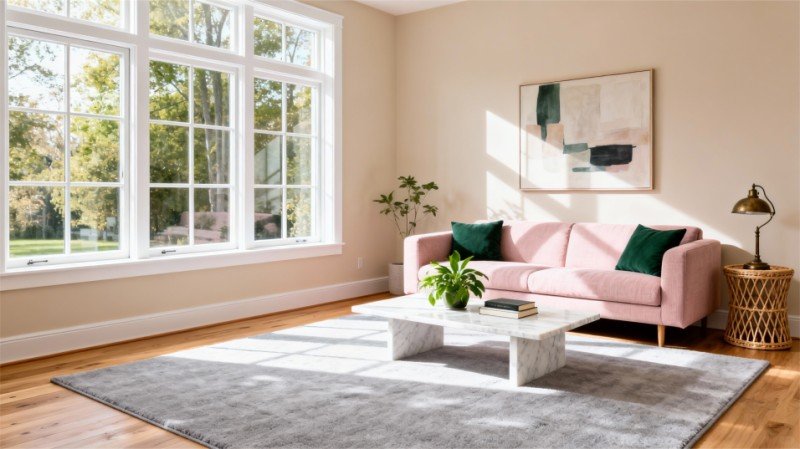
Density plays a key role in determining how well a rug performs over time. A higher fiber density means more yarn is packed into the surface, creating a tighter and more supportive structure.
This construction provides several benefits:
-
Better resistance to flattening
-
Improved shape retention
-
More consistent surface appearance
Lower-density products may feel soft initially, but they tend to lose structure more quickly in active environments.
Backing Materials and Stability
The backing layer is essential for maintaining the overall structure of a carpet. It supports the surface fibers and prevents deformation during use.
High-quality backing systems help:
-
Keep the rug flat on the floor
-
Improve dimensional stability
-
Extend product lifespan
In many modern textile floor coverings, manufacturers use reinforced backing materials to ensure long-term performance.
Manufacturing Techniques
Production methods have a direct impact on durability. Advanced machinery allows manufacturers to control fiber placement, density, and finishing processes with high precision.
Consistent production standards ensure that each piece meets the same performance expectations, which is especially important for wholesale buyers and large-scale projects.
Well-controlled manufacturing also reduces defects that could affect long-term use.
Resistance to Daily Wear
In everyday environments, rugs must withstand continuous use. Synthetic textile carpets are designed to handle common stress factors such as:
-
Frequent walking
-
Furniture pressure
-
Movement and repositioning
The combination of flexible fibers and stable construction allows these products to maintain their appearance even under regular use.
Maintenance and Longevity
Durability is closely linked to how a product is maintained. Materials that are easy to clean and manage tend to last longer because they are less affected by dirt buildup and improper care.
Many modern floor coverings made from synthetic fibers support simple maintenance routines, which helps preserve both appearance and structure over time.
Application Suitability
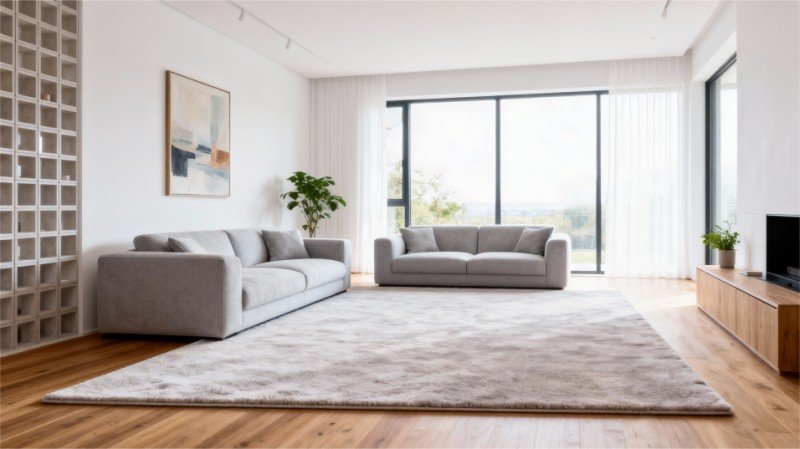
The intended use of a rug also influences how durability is perceived. For example:
-
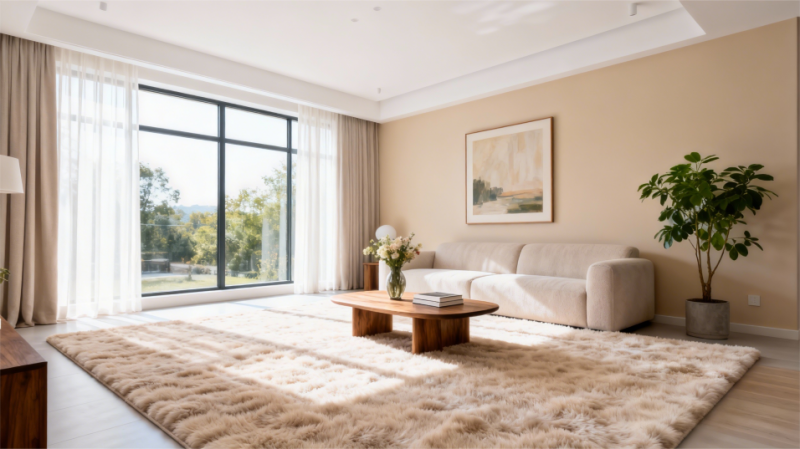
Living areas require balanced comfort and wear resistance
-
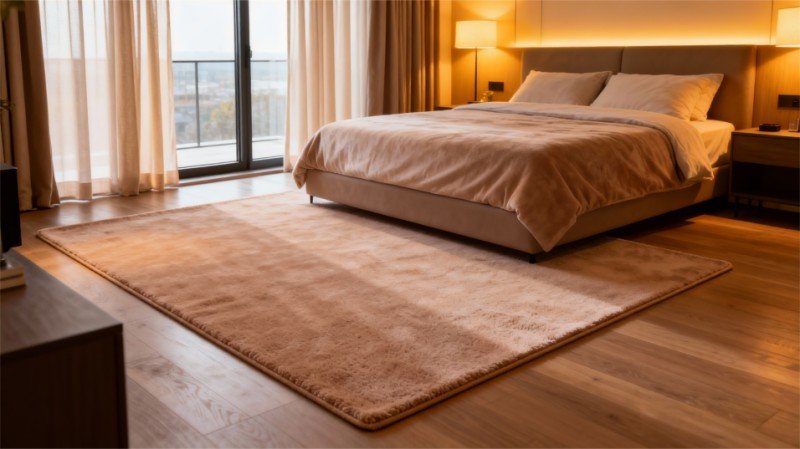
Bedrooms prioritize softness with moderate use
-
Commercial spaces demand stronger structural performance
Choosing the right construction for the right environment ensures better long-term results.
Conclusion
Durability in modern rugs comes from a combination of fiber strength, dense construction, stable backing, and controlled manufacturing processes. When these elements are properly balanced, the result is a product that performs reliably in a wide range of environments.
For buyers and distributors, understanding these factors makes it easier to select flooring solutions that offer both performance and long-term value.
To explore durable synthetic rug options designed for long-term use, you can visit our product page.
about
Cosyfera Textile
Stay updated with Cosyfera’s latest news — from new carpet and blanket collections to global trade fair highlights and industry trends.